


Why is plastic pollution a problem?
Plastic doesn't disappear — it breaks into smaller fragments that persist in soil, rivers and oceans for generations.
Since 2018 · Environmental Action, India
Better choices for everyday life. A cleaner future for everyone.
From removing plastic waste from our environment to promoting better alternatives for everyday living — Leafline is working toward a world where sustainability becomes a daily habit.
Our Origin
Leafline has been working on the problem of plastic waste since 2018. Since then, the initiative has focused on reducing plastic pollution and creating awareness around responsible alternatives.
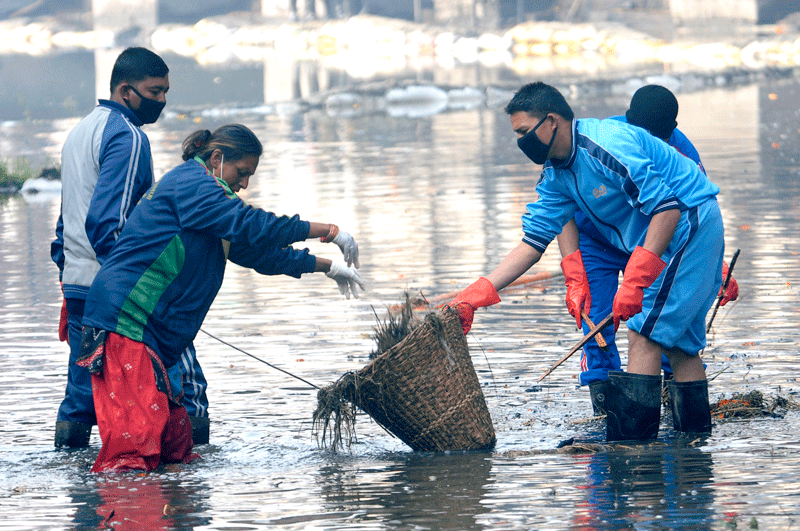
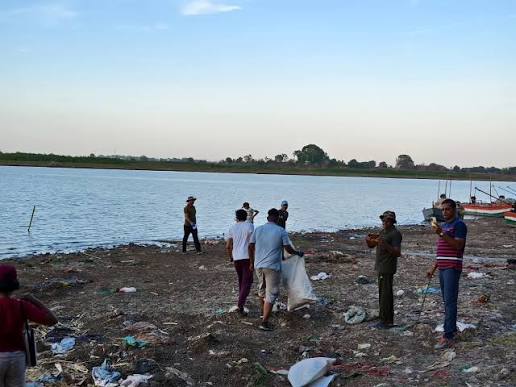
The journey did not begin with selling eco-products. It began with seeing the problem of plastic waste firsthand — in the water bodies it was polluting — and taking action.
"If plastic waste can be removed from our environment, we should also work toward preventing it from entering the environment in the first place."
That idea became the foundation for Leafline's focus on practical, sustainable and eco-friendly alternatives for everyday life.
A Visual Impact Statistic
Plastic waste cleaned from water bodies since 2018.
The Leafline Journey
Leafline begins working on the ground against plastic waste.
Plastic removed directly from lakes, rivers and waterways.
Conversations started around responsible, everyday alternatives.
Practical eco-friendly products designed for real use.
The Eco Shop — born from action, not from a catalogue.
Why Eco Products Matter
Many plastic products are used for only a few minutes but can remain in the environment for a very long time. That mismatch — brief use, lasting harm — is at the centre of the problem. Excessive plastic use contributes to:
"The best waste is the waste we never create."
Choosing reusable, biodegradable, compostable or responsibly sourced alternatives — where appropriate — can help reduce dependence on conventional single-use plastics.
Everyday plastic products are often used briefly — sometimes for only a few minutes.
Many of these items become waste immediately after that brief use is over.
Improperly managed plastic can enter land and water systems, and stay there for years.
Better alternatives can help reduce unnecessary plastic consumption at the source.
A Closer Look
Eco-Friendly Alternatives
Conventional Plastic
Drag the slider to compare. Sustainability depends on material, manufacturing, transportation, usage and end-of-life disposal — not a single label.
Everyday Life
Sustainability doesn't have to be complicated. It can start with the products we use every day.
Kitchen, dining, cleaning and everyday household use.
Pantry, meetings, events and workplace consumption.
Travel kits, disposable alternatives and hospitality use.
Large-scale serving and hospitality requirements.
Food service and takeaway applications.
Guest amenities and hospitality applications.
Hotels & Hospitality
Hotels, resorts, homestays and hospitality businesses can incorporate more sustainable alternatives across guest touchpoints — from the welcome kit to the banquet hall.

Sustainability can become part of a hotel's brand experience.
Replacing suitable single-use plastic items can help reduce unnecessary plastic consumption.
Eco-conscious hospitality can demonstrate environmental responsibility.
Small changes in guest amenities can influence consumer habits.
Medical & Healthcare Settings
Healthcare environments generate large amounts of waste and require strict hygiene, safety and regulatory standards. Sustainable alternatives may be considered in non-clinical areas — when they meet required medical, hygiene, safety and regulatory specifications.
Possible applications include:
In healthcare, sustainability must always work alongside safety, hygiene, performance and applicable regulations.
Eco-friendly products are not a substitute for medical-grade plastics, sterile equipment, PPE, syringes, IV equipment or other clinical products, unless the specific product is medically approved and suitable.
The Bigger Picture
Helps reduce reliance on conventional single-use plastics where suitable alternatives exist.
Many alternatives use renewable, recycled, biodegradable or compostable materials.
Every purchase can become an opportunity to encourage more conscious consumption.
Choosing reusable or appropriately compostable/biodegradable products can support better waste management.
Collective everyday choices can contribute to broader environmental change.
"Eco-friendly doesn't simply mean 'green.' The material, manufacturing process, durability, transportation and end-of-life treatment all matter."
Leafline's Environmental Impact
Plastic waste cleaned from water bodies since 2018.
From Cleanup to Prevention
Leafline's environmental journey began with addressing plastic pollution. But long-term change requires more than cleanup — it requires changing consumption habits.
This is why Leafline promotes eco-friendly alternatives: to help people, businesses and institutions make more responsible choices before waste is created.
Global Alignment
Directly relevant to Leafline's focus on reducing plastic pollution in water bodies.
Highly relevant to encouraging sustainable alternatives and responsible consumption.
Relevant to broader efforts toward sustainable consumption and environmental responsibility.
Relevant to reducing plastic pollution entering aquatic environments.
Relevant to protecting ecosystems from pollution and waste.
Leafline's mission aligns with these Sustainable Development Goals through its focus on environmental awareness, plastic-waste reduction and responsible consumption.
This reflects alignment in mission and values only. Leafline does not claim official United Nations partnership, endorsement, certification or accreditation.
Knowledge Hub
Plastic doesn't disappear — it breaks into smaller fragments that persist in soil, rivers and oceans for generations.
It depends on the material, how it's made, how far it travels, how long it lasts and how it's disposed of.
Biodegradable means it breaks down over time. Compostable means it breaks down into nutrient-rich matter under specific conditions.
Starting with guest amenities, welcome kits and food service is often the most practical first step.
Auditing pantry, packaging and event supplies usually reveals the easiest wins first.
Small swaps in the kitchen, bathroom and cleaning cupboard add up over a year.
Not automatically — a genuinely sustainable product accounts for its full lifecycle, not just its label.
Depending on local infrastructure, it may be recycled, landfilled, incinerated, or left to pollute land and water.
Beginning with one category — packaging, or guest-facing amenities — makes the transition manageable.
"We don't just want to replace a product. We want to change a habit."
From plastic waste to sustainable choices.
Connect With Leafline
This website is designed to educate and tell the Leafline story. For products, enquiries and updates, visit our official channels below.